
Ulnar Nerve Exercises: A Comprehensive Guide
Navigating ulnar nerve issues requires targeted exercises; a downloadable ulnar nerve exercises PDF can provide structured routines for relief and improved hand function․
Understanding Ulnar Nerve Entrapment
Ulnar nerve entrapment arises from pressure on the ulnar nerve, impacting its function as it travels down the arm to the hand, specifically affecting the pinky and ring fingers․ This compression often manifests at the elbow (cubital tunnel syndrome) or the wrist (ulnar tunnel syndrome)․ Understanding the mechanics of this entrapment is crucial for effective management․
The nerve’s pathway makes it vulnerable at several points․ Repeated motions, sustained awkward positions, or direct pressure can all contribute to the problem․ Symptoms typically include numbness, tingling, and weakness in the affected fingers, and potentially pain radiating up the arm․ A comprehensive ulnar nerve exercises PDF can illustrate these pressure points and demonstrate exercises designed to alleviate compression․
Early intervention, often involving targeted exercises, is key to preventing long-term complications․ Recognizing the signs and understanding the underlying causes empowers individuals to proactively manage their condition and seek appropriate care, potentially avoiding more invasive treatments․
What is the Ulnar Nerve?
The ulnar nerve is a major nerve originating in the neck and traveling down the arm, ultimately reaching the hand․ It’s vital for controlling many hand muscles, enabling functions like gripping, squeezing, and fine motor movements․ Specifically, it innervates the muscles responsible for movements of the pinky and ring fingers, and provides sensation to these digits․
This nerve’s journey makes it susceptible to compression or irritation․ It passes through the cubital tunnel at the elbow and Guyon’s canal at the wrist – common sites for entrapment․ Damage or compression can lead to noticeable weakness and sensory changes․ A detailed ulnar nerve exercises PDF often includes diagrams illustrating the nerve’s anatomical path․
Understanding the ulnar nerve’s role is fundamental to appreciating the impact of entrapment and the rationale behind specific exercises designed to restore function and alleviate discomfort․ Proper care and targeted exercises are essential for maintaining hand health․
Common Causes of Ulnar Nerve Compression
Ulnar nerve compression arises from various factors impacting the nerve’s pathway․ Cubital tunnel syndrome, a frequent cause, occurs when the nerve is compressed at the elbow․ This can be triggered by prolonged elbow bending, leaning on the elbow for extended periods, or anatomical variations․ Another cause is ulnar tunnel syndrome at the wrist, often linked to cysts or repetitive strain․
Direct trauma to the elbow or wrist, fractures, and even arthritis can contribute to compression․ Certain occupations involving repetitive hand movements or forceful gripping also increase risk․ A comprehensive ulnar nerve exercises PDF may detail preventative measures alongside therapeutic exercises․
Identifying the underlying cause is crucial for effective treatment․ Understanding these factors allows for targeted interventions, including ergonomic adjustments and specific exercises to relieve pressure and restore nerve function, ultimately improving hand health․

Symptoms of Ulnar Nerve Entrapment
Ulnar nerve entrapment manifests through a range of symptoms, often starting with numbness and tingling in the little finger and ring finger․ This sensation can extend to the hand and forearm․ Muscle weakness, particularly affecting grip strength and fine motor skills, is a common complaint․ Individuals may experience difficulty with tasks requiring precise hand movements, like buttoning clothes or writing․
Pain may radiate from the elbow down to the hand, sometimes worsening with elbow bending․ In severe cases, muscle wasting in the hand can occur․ Recognizing these symptoms early is vital for prompt intervention․ A detailed ulnar nerve exercises PDF can illustrate exercises to address specific symptoms and improve nerve function․
Symptoms can vary in intensity and may come and go, depending on activity levels․ Early diagnosis and appropriate exercises can help manage symptoms and prevent long-term complications․

Diagnosis and Assessment
Accurate diagnosis is key; a physician may employ physical exams and studies, while a helpful ulnar nerve exercises PDF aids understanding of potential treatments․
Physical Examination Techniques
A thorough physical examination is the first step in assessing potential ulnar nerve entrapment․ Healthcare professionals utilize several techniques to evaluate nerve function and identify areas of compression․ These often include observing hand muscle strength, specifically focusing on grip strength and the ability to spread the fingers;
Sensory testing is crucial, checking for numbness or tingling along the ulnar nerve’s distribution – typically the pinky and ring fingers․ Specific provocative maneuvers, like the elbow flexion test (holding the elbow bent for a period), can recreate symptoms․
Tinel’s sign, involving tapping over the ulnar nerve at the elbow or wrist, may elicit tingling․ A downloadable ulnar nerve exercises PDF can complement this assessment, illustrating muscles tested and potential symptom locations, aiding patient understanding of the examination process and subsequent exercise plans․
Nerve Conduction Studies (NCS)
Nerve Conduction Studies (NCS) are electrodiagnostic tests used to assess the function of peripheral nerves, including the ulnar nerve․ Small electrodes are placed on the skin, and mild electrical impulses are used to stimulate the nerve․ The speed at which the electrical signal travels along the nerve is measured․
Slowed conduction velocity can indicate nerve compression or damage․ NCS help pinpoint the location and severity of the ulnar nerve entrapment, differentiating it from other conditions․ These studies are often performed alongside Electromyography (EMG) for a comprehensive evaluation․
Understanding NCS results can be complex; a detailed ulnar nerve exercises PDF may include diagrams illustrating the testing process and explanations of common findings, empowering patients to discuss their results effectively with their healthcare provider and understand the role of exercise in their recovery․
Electromyography (EMG)
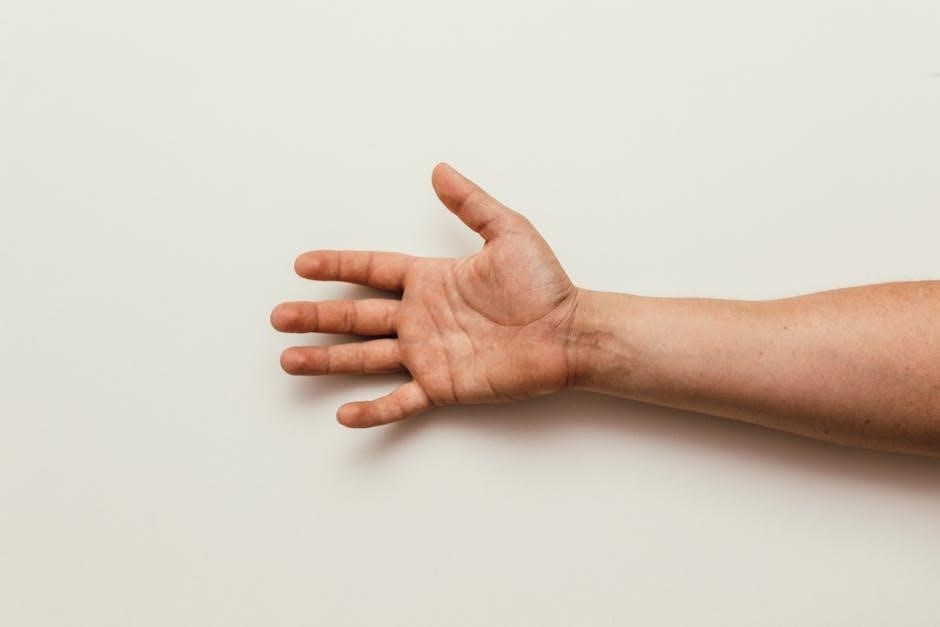
Electromyography (EMG) assesses the electrical activity produced by muscles․ A small needle electrode is inserted into a muscle, detecting the electrical signals generated when the muscle is at rest and during contraction․ In the context of ulnar nerve entrapment, EMG helps determine if the nerve damage has affected the muscles it innervates․
Abnormal EMG findings, such as reduced muscle activation or the presence of spontaneous electrical activity, can confirm nerve involvement and assess the extent of muscle damage․ EMG is often used in conjunction with Nerve Conduction Studies (NCS) to provide a complete picture of nerve and muscle health․
Resources like a comprehensive ulnar nerve exercises PDF can explain EMG results in accessible terms, detailing how specific exercises can target weakened muscles identified through EMG testing, promoting recovery and functional improvement․
Exercises for Ulnar Nerve Relief
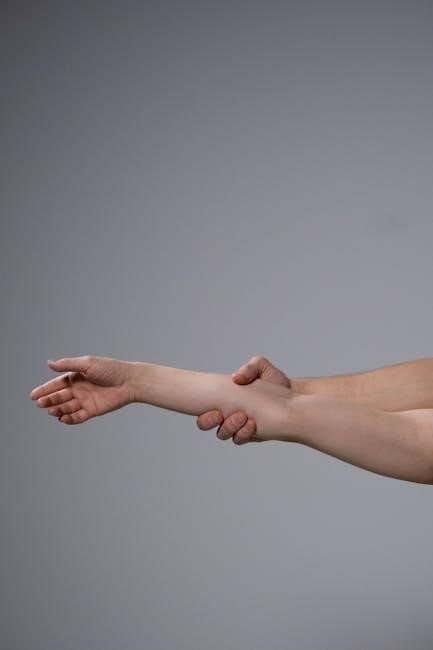
Targeted movements, detailed in a helpful ulnar nerve exercises PDF, can improve blood flow, reduce compression, and restore function to the affected nerve and muscles․
Finger Flexion and Extension Exercises
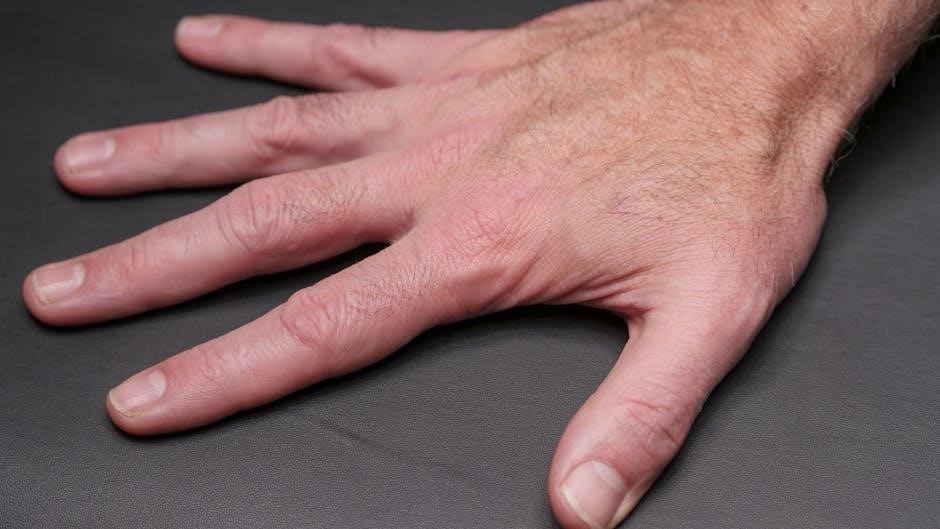
These foundational exercises, often detailed within a comprehensive ulnar nerve exercises PDF, are crucial for restoring mobility and reducing stiffness in the hand․ Begin by slowly making a fist, gently curling your fingers towards your palm – this is flexion․
Hold this position briefly, then slowly extend your fingers, straightening them as much as comfortably possible․ Repeat this flexion and extension movement 10-15 times, focusing on controlled motions․
Pay attention to any discomfort; the goal is gentle movement, not pain․ Regularly performing these exercises increases blood flow around the ulnar nerve, potentially facilitating healing and improving function․
A PDF guide will often illustrate proper form and progression, suggesting variations like adding resistance with a soft ball or band as strength improves․ Consistency is key for optimal results․
Wrist Flexion and Extension Exercises
A detailed ulnar nerve exercises PDF will often include wrist exercises to complement finger movements․ Begin by sitting comfortably with your forearm supported․ Gently bend your wrist downwards, pointing your fingers towards the floor – this is wrist flexion․

Hold for a few seconds, then slowly lift your wrist upwards, pointing your fingers towards the ceiling – wrist extension․ Repeat this flexion and extension movement 10-15 times, maintaining a smooth, controlled motion․
These exercises help improve flexibility and range of motion in the wrist, which can alleviate pressure on the ulnar nerve․ Avoid any forceful movements or pain․
The PDF may suggest adding light weights as you gain strength, but prioritize proper form․ Consistent practice supports nerve health and overall hand function․
Ulnar Nerve Glides (Nerve Flossing)
A comprehensive ulnar nerve exercises PDF will demonstrate ulnar nerve glides, also known as nerve flossing, a crucial technique for restoring nerve mobility․ Start by extending your arm straight out, palm facing up․ Gently bend your wrist and fingers downwards․
Slowly bend your elbow, bringing your hand towards your shoulder, maintaining the wrist and finger position․ Then, straighten your elbow while simultaneously extending your wrist and fingers․
Repeat this gliding motion 10-15 times, focusing on a gentle, stretching sensation, not pain․ Nerve glides help to mobilize the ulnar nerve through its pathway, reducing compression and improving function․
The PDF will likely emphasize performing these glides slowly and deliberately, avoiding any sharp or jerky movements․ Consistency is key for optimal results․
Tendon Glides for Hand Flexibility
A detailed ulnar nerve exercises PDF will often include tendon glides, vital for maintaining hand dexterity alongside ulnar nerve mobilization․ Begin with your hand flat, then gently bend your fingers into a hook position, keeping your palm flat․
Next, make a full fist, then straighten your fingers, extending them fully․ Follow this by bending only your fingertips towards your palm, keeping the rest of your fingers straight․
Finally, return to the straight position․ Repeat this sequence 10-15 times, moving slowly and smoothly through each position․
These glides improve tendon excursion, reducing stiffness and enhancing overall hand function, complementing ulnar nerve relief․ The PDF will likely stress the importance of pain-free movement and consistent practice․

Specific Exercise Protocols
A comprehensive ulnar nerve exercises PDF details tailored routines for cubital and ulnar tunnel syndromes, alongside strengthening exercises for optimal hand recovery․
Exercises for Cubital Tunnel Syndrome
For Cubital Tunnel Syndrome, a detailed ulnar nerve exercises PDF often begins with gentle finger flexion and extension – making a fist and stretching fingers repeatedly to boost blood flow․ Nerve gliding exercises, or “flossing,” are crucial; these involve specific hand and elbow movements to gently move the ulnar nerve, preventing it from sticking․
These glides typically involve straightening your arm, bending your wrist back, and then slowly bending your elbow while keeping your wrist extended․ Wrist extension stretches, holding your arm straight and bending your hand upwards, also help․ Avoid prolonged elbow bending, a key trigger for compression․
Strengthening exercises, focusing on forearm muscles, can provide support․ However, always perform these cautiously, avoiding any movements that exacerbate symptoms․ A properly structured PDF will guide you through repetitions and sets, ensuring safe and effective rehabilitation․ Remember to consult a professional before starting any new exercise program․
Exercises for Ulnar Tunnel Syndrome at the Wrist
An ulnar nerve exercises PDF for Ulnar Tunnel Syndrome at the wrist will prioritize exercises that reduce compression and improve nerve gliding․ Gentle wrist range-of-motion exercises – flexion, extension, ulnar deviation, and radial deviation – are foundational․ These movements help maintain flexibility and prevent stiffness․
Specific tendon glides, focusing on the finger flexor and extensor tendons, are also beneficial, improving space within the carpal tunnel․ Nerve gliding exercises, adapted for wrist involvement, involve combining wrist and finger movements to gently mobilize the ulnar nerve․
Strengthening exercises for the hand and forearm, performed without aggravating symptoms, can enhance support․ Avoid repetitive wrist motions and sustained pressure․ A comprehensive PDF will detail proper form and progression․ Remember, consistent, gentle movements are key, and professional guidance is recommended before beginning any new routine․
Strengthening Exercises for Hand Muscles
A detailed ulnar nerve exercises PDF will incorporate strengthening exercises to support hand function and compensate for any muscle weakness․ Grip strengthening, using a soft ball or putty, is crucial, but should be pain-free․ Focus on controlled squeezes, avoiding forceful contractions that could irritate the ulnar nerve․
Finger abduction and adduction exercises, using resistance bands, improve the strength of the muscles that move the fingers․ Wrist curls and reverse wrist curls, with light weights, strengthen forearm muscles, providing stability․
Pinch strengthening, using a clothespin or similar object, targets the muscles responsible for fine motor skills․ It’s vital to listen to your body and stop if you experience increased numbness or pain․ A well-designed PDF will provide modifications and progressions, ensuring safe and effective strengthening․

Home Management & Prevention
A comprehensive ulnar nerve exercises PDF guides self-care, ergonomic adjustments, and preventative measures to minimize nerve compression and promote long-term hand health․
Ergonomic Adjustments for Workstations
Optimizing your workstation is crucial for preventing ulnar nerve compression․ A helpful resource, an ulnar nerve exercises PDF, often includes detailed ergonomic guidance․ Ensure your chair supports your lower back and allows your feet to rest flat on the floor․ Your keyboard and mouse should be positioned so your elbows remain bent at a 90-degree angle, minimizing strain․
Avoid leaning your elbows on hard surfaces for extended periods; use padded armrests․ Regularly adjust your posture throughout the day to prevent prolonged static positions․ Consider a vertical mouse to reduce wrist pronation․ Proper monitor height is also vital – the top of the screen should be at or slightly below eye level․ Implementing these changes, alongside exercises from your PDF, can significantly reduce ulnar nerve irritation and promote a comfortable, productive workspace․ Remember consistency is key for long-term relief․
Proper Sleeping Positions
Nighttime habits significantly impact ulnar nerve health; a comprehensive ulnar nerve exercises PDF often addresses this․ Avoid sleeping with your arms bent tightly under your pillow or body, as this compresses the nerve at the elbow․ Instead, try sleeping on your back with your arms at your sides, or on your side with a pillow supporting your lower arm to maintain a neutral position․
Consider using a pillow between your knees if you sleep on your side to prevent twisting and pressure on your arms․ Refrain from prolonged direct pressure on your elbows during sleep․ If you wake up with numbness or tingling, gently straighten your arm and perform some of the stretches outlined in your PDF․ Prioritizing a nerve-friendly sleep posture, combined with regular exercises, can dramatically reduce nighttime symptoms and promote restorative rest․
Avoiding Prolonged Elbow Flexion
A key component of ulnar nerve management, detailed within a helpful ulnar nerve exercises PDF, is minimizing sustained elbow bending․ Prolonged flexion – keeping your elbow bent for extended periods – directly increases pressure on the ulnar nerve at the cubital tunnel․ This is particularly relevant during activities like phone use, driving, or sleeping․
Be mindful of your posture and consciously straighten your arm frequently․ Utilize hands-free devices for phone calls and take regular breaks during tasks requiring bent elbows․ Adjust your workstation to encourage a more neutral arm position․ Incorporate exercises from your PDF to counteract the effects of unavoidable flexion․ Reducing compression through postural awareness and movement is crucial for preventing symptom aggravation and promoting nerve health․

When to Seek Professional Help
If symptoms persist despite consistent exercise from a ulnar nerve exercises PDF, or worsen, consult a specialist for a thorough evaluation and tailored plan․
Consulting a Physical Therapist
A physical therapist (PT) plays a crucial role in managing ulnar nerve entrapment․ They can perform a detailed assessment to pinpoint the exact source of your compression and tailor an exercise program specifically for your needs․ While a general ulnar nerve exercises PDF offers valuable routines, a PT provides personalized guidance, ensuring correct form and progression to avoid exacerbating symptoms․
They’ll likely incorporate nerve gliding exercises – often found within such PDFs – but adapt them to your individual presentation․ Beyond exercises, a PT can address contributing factors like posture, workstation ergonomics, and muscle imbalances․ They may also utilize manual therapy techniques to mobilize the nerve and surrounding tissues․ A PT can educate you on activity modification strategies and provide bracing options if appropriate․ Consistent follow-up appointments allow for ongoing monitoring and adjustments to your treatment plan, maximizing your recovery potential and preventing recurrence․ They are experts in restoring function and reducing pain․
Surgical Intervention Considerations
Surgery for ulnar nerve entrapment is generally considered when conservative treatments, including a consistent regimen of exercises – potentially sourced from an ulnar nerve exercises PDF – fail to provide adequate relief․ Surgical options depend on the location of compression․ For cubital tunnel syndrome, procedures may involve releasing the ligament around the ulnar nerve or, in more severe cases, moving the nerve to a new location․
At the wrist (ulnar tunnel syndrome), surgery often involves releasing the ligament compressing the nerve․ Post-surgery, a structured rehabilitation program, often mirroring exercises found in a PDF guide, is vital for optimal recovery․ This program focuses on regaining nerve gliding, strength, and function․ It’s crucial to understand that surgery isn’t a quick fix; diligent adherence to post-operative rehabilitation is paramount․ Discuss the risks and benefits thoroughly with your surgeon to determine if surgery is the right course of action for you․